
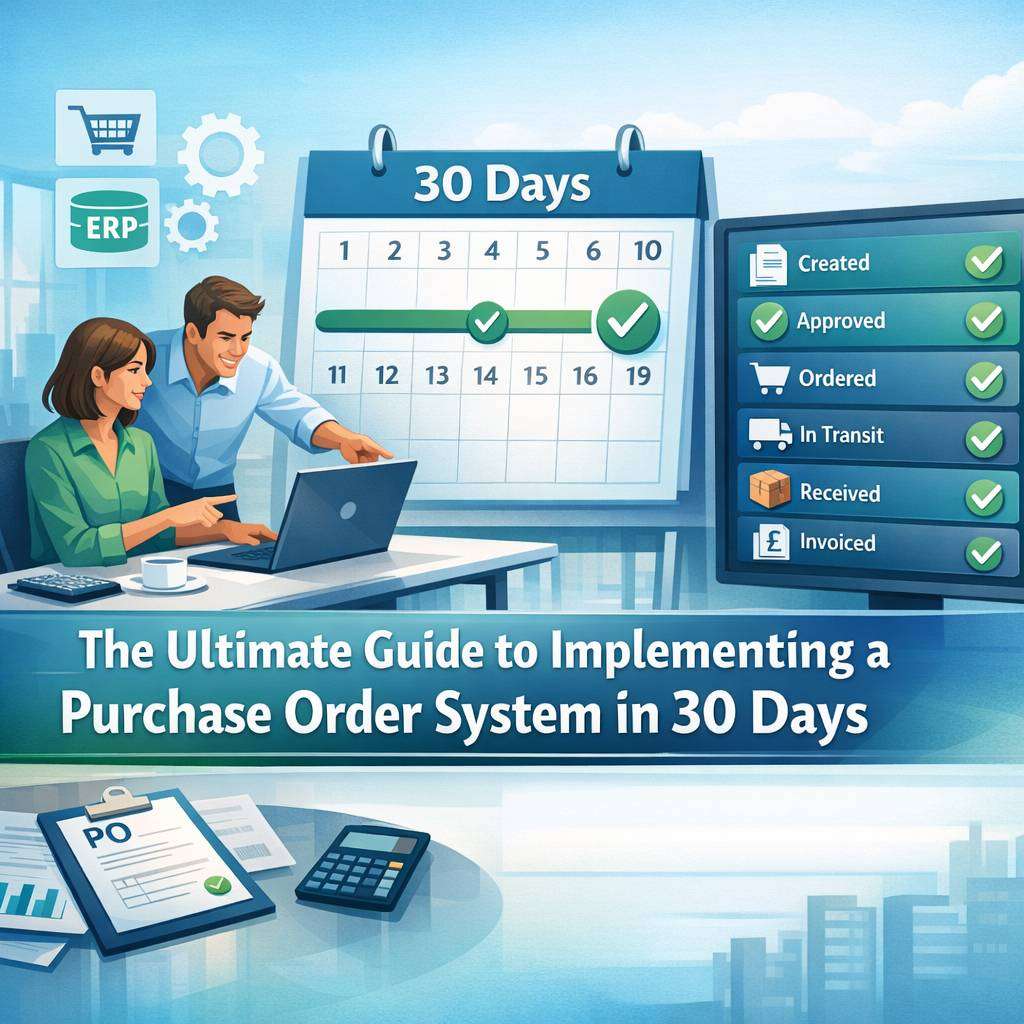
Purchasing efficiently is foundational to strong operations. For many organisations, a well-implemented purchase order system (PO system) transforms procurement from a paper-chasing bottleneck into a streamlined, auditable, and cost-conscious process. This guide, written by an expert, outlines a practical 30-day plan to deploy an effective purchase orders software solution, whether you are moving from manual processes or upgrading an existing system.
In the following sections, you will find clear steps, real-world considerations, and best practices to ensure your transition is smooth, compliant, and value-adding. The emphasis is on using online purchase orders and modern PO system software to deliver tangible improvements—from better spend visibility to faster approvals.
A purchase order system optimizes procurement workflows by automating approvals, tracking statuses, and ensuring compliance. It reduces manual errors and improves spend visibility. For more context, https://www.gep.com/knowledge-bank/glossary/what-is-purchase-order-management helps buyers understand essential concepts.
online purchase orders
Begin by auditing your current workflow. Map how purchase requests become orders, who approves them, and how supplier data is managed. Decide on a central repository for all online purchase orders to reduce duplication and errors. Choose a solution that supports electronic creation, approval workflows, and status tracking accessible to authorised stakeholders anywhere. Prioritise features such as:
- Cloud accessibility and real-time updates
- Role-based access control to protect sensitive pricing
- Supplier portal integration for sending and receiving order data
- Audit trails that capture each modification
During early configuration, establish naming conventions, approval limits, and escalation paths. This foundation will prevent future miscommunications and help ensure consistency across departments.
A robust purchase order system helps streamline procurement, reduce errors, and improve supplier relationships. It centralizes approvals, tracks costs, and enhances inventory planning with real-time visibility. To explore a comprehensive example, consider integrating the right solution for your business needs. https://www.unleashedsoftware.com/product/purchase-order-software/
A robust purchase order system streamlines procurement, tracks approvals, and improves supplier communication. By centralizing requests, budgets stay aligned and purchases become transparent across departments. For scalable solutions and expert guidance, explore resources at https://cloudb2b.co.uk/. Invest in automation to reduce errors, accelerate workflows, and gain real-time visibility into spend and inventory needs.
po system software
Selecting the right po system software is critical. Look for modularity rather than a one-size-fits-all approach, so you can scale as needs evolve. Consider the following evaluation criteria:
- Compatibility: Integrates with your financial accounting system, ERP, and inventory management
- Customisation: Ability to tailor approval workflows, field sets, and supplier data
- Compliance: Enforce segregation of duties, capture approvals, and maintain immutable audit logs
- Reporting: Dashboards for spend analysis, lead times, supplier performance, and PO cycle times
- Usability: Intuitive interfaces for approvers, requesters, and procurement staff
- Security: Data encryption, secure APIs, and regular vulnerability management
Engage key stakeholders early: procurement, accounts payable, IT, and end users. Run a short discovery workshop to validate requirements and prioritise must-have versus nice-to-have features. A well-scoped RFP or vendor briefing can save time and reveal hidden costs, such as data migration, training, and ongoing support.
purchase ordering system
A robust purchase ordering system begins with standardised processes. Define when a purchase order is created, who approves, what constitutes an exception, and how edits are managed post-approval. Implement a single source of truth for supplier information, including contact details, tax considerations, lead times, and price lists. Your plan should include:
- Purchase order lifecycle: Request, approve, convert to order, amend, receive, and invoice matching
- Price governance: Approved price lists and contract compliance to prevent price leakage
- Lead time management: Realistic supplier lead times to improve planning
- Receiving and three-way matching: Align PO, invoice, and receipt to prevent payment disputes
- Change control: Clear rules for amendments and amendment routing
Roll out a phased deployment: start with a pilot in one department or with a subset of suppliers, then scale organisation-wide. This reduces risk and helps you gather practical feedback before full adoption.
purchase orders software
When configuring purchase orders software, tailor it to your organisation’s purchase behaviours. Essential steps include:
- Data migration: Cleanse legacy PO data, supplier records, and open purchase orders before migration
- Workflow design: Map approval hierarchies, thresholds, and notifications to notify the right people at the right times
- Template management: Create standard PO templates for different categories or regions
- Notification and escalation: Automated reminders for approvers and due-date alerts for deliveries
- Exception handling: Clear pathways for backorders, partial receipts, and amendments
- Training: Role-based training materials and hands-on practice for end users
User adoption hinges on the perceived value. Emphasise time savings, reduction in PO processing errors, improved visibility into spend, and stronger supplier relationships. Consider incentives or recognition for departments that achieve early wins.
implementation plan: 30 days to go-live
Day 1–7: Discover and design
- Define success metrics: cycle time reduction, cost savings, and data accuracy targets
- Map current processes and pain points
- Select the PO system software and finalise the technical architecture
- Begin data cleansing and inventory of suppliers
Day 8–14: Configure and pilot
- Configure online purchase orders and supplier portals
- Build approval workflows with escalation paths
- Import supplier data, price lists, and contracts
- Run a pilot with one department and a small supplier set
- Collect feedback and refine configurations
Day 15–21: Data migration and training
- Migrate data from legacy systems, verify accuracy
- Create user guides, templates, and runbooks
- Deliver role-based training sessions
- Establish change-management comms and a support channel
Day 22–28: Wider rollout and integration
- Expand to additional departments and suppliers
- Integrate with accounts payable and ERP or financial modules
- Implement dashboards and reporting templates
- Fine-tune notifications, SLAs, and exception rules
Day 29–30: Go-live and stabilise
- Monitor system performance, user adoption, and data integrity
- Resolve any post-go-live issues
- Finalise go-live checklist and establish a continuous improvement plan
procurement governance and risk
A successful PO system is not just a tool but a governance mechanism. Institute clear policies for spending limits, preferred suppliers, and contract enforcement. Maintain supplier performance dashboards and conduct periodic spend analysis to identify maverick buying and opportunities for savings. Ensure data protection and regulatory compliance, particularly around data retention and supplier due diligence.
measuring success
Track tangible outcomes such as:
- Average PO cycle time from creation to receipt
- Percentage of electronic POs versus manual processes
- Savings realised from better price governance and supplier negotiation
- Compliance rates with contract and policy requirements
- Reduced invoice discrepancies and processing time in accounts payable
ongoing optimisation
After go-live, schedule quarterly reviews to refine workflows, update price lists, and reassess supplier performance. Explore enhancements such as integrations with e-invoicing, supplier self-service, and AI-powered anomaly detection to further improve control and efficiency.
By following this structured 30-day plan, organisations can realise the benefits of online purchase orders, a modern po system software, and a streamlined purchasing order system. The result is greater control over spend, better supplier relationships, and a procurement function that supports strategic objectives.